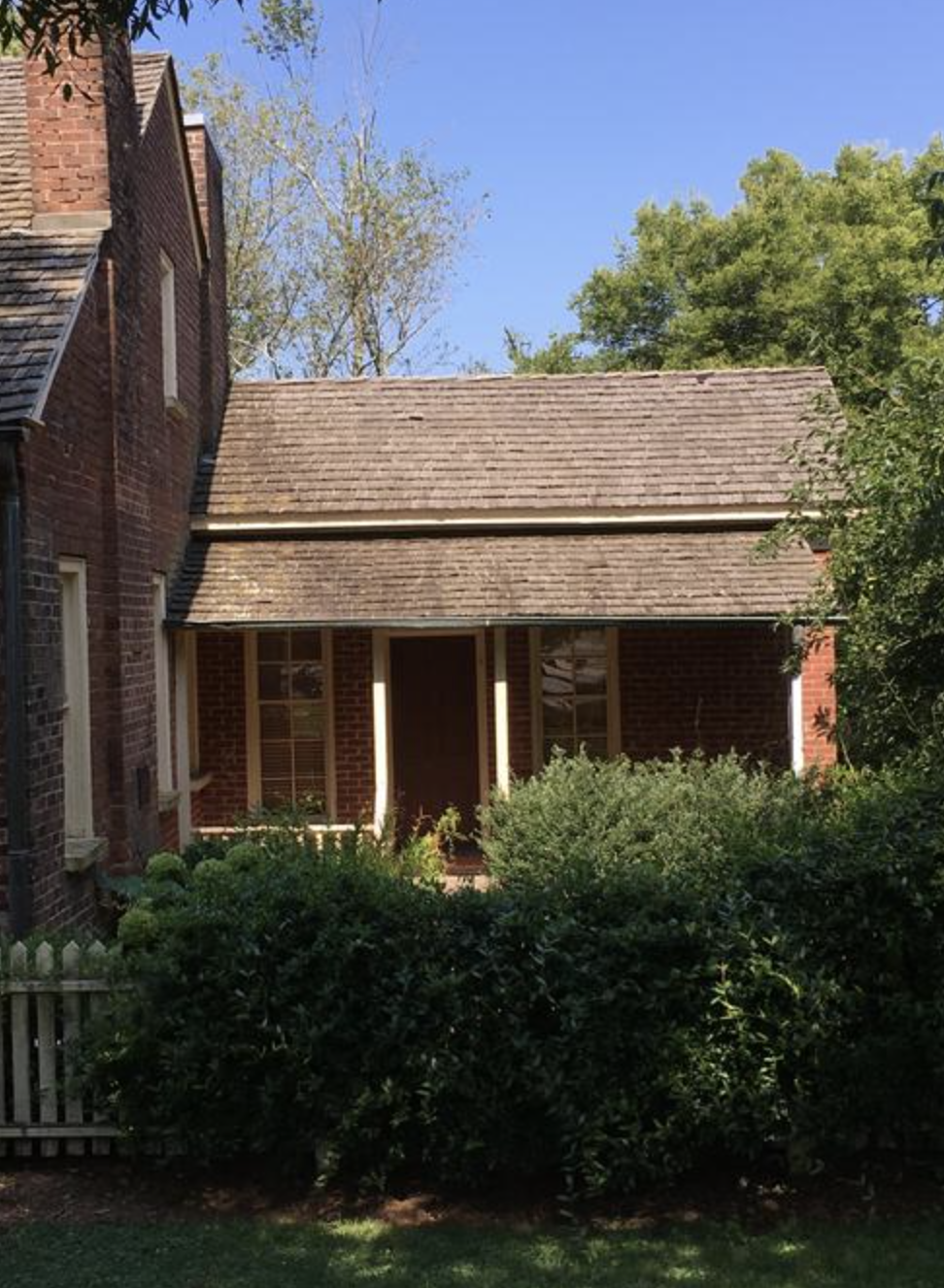
Hamilton House
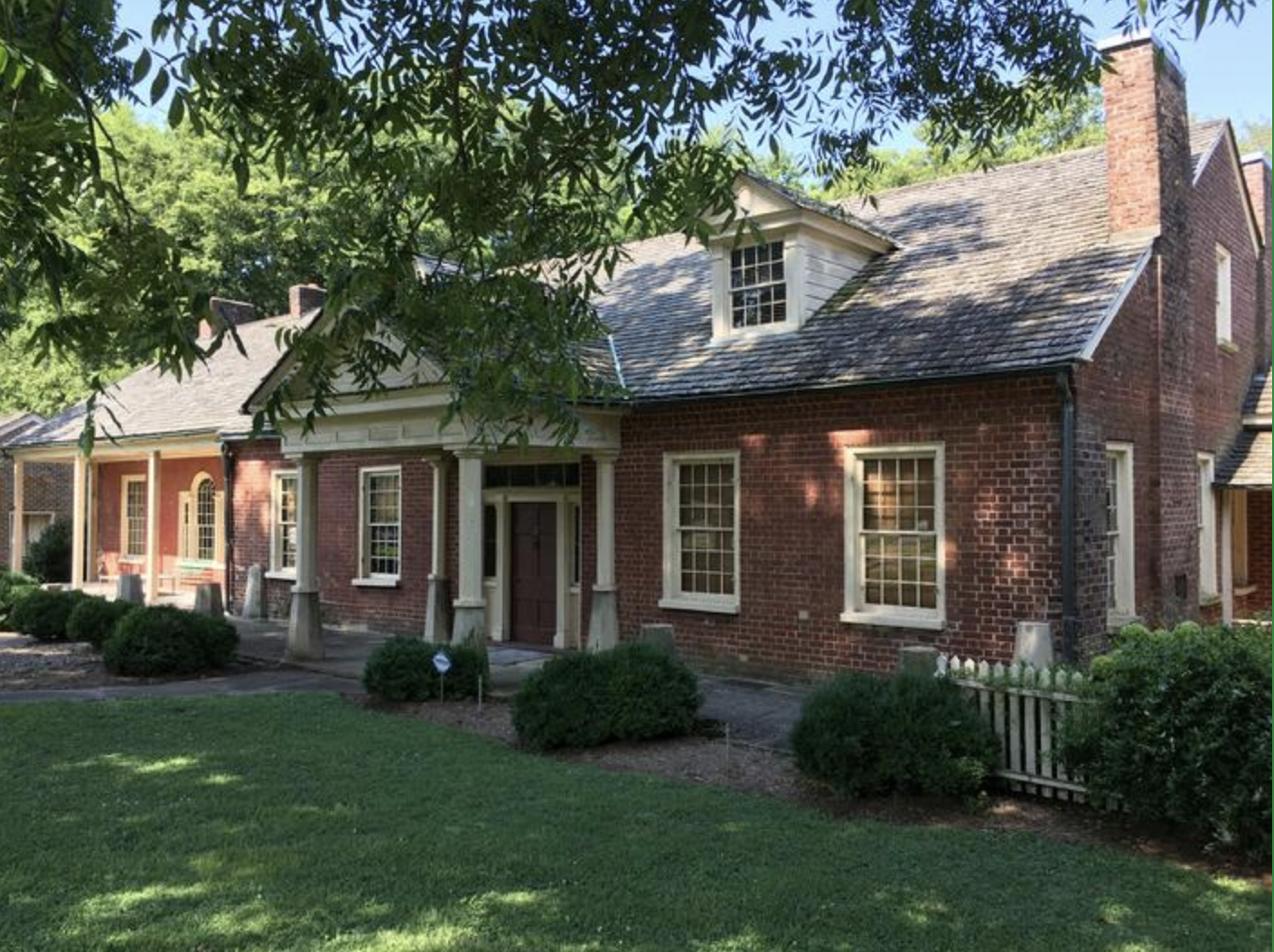
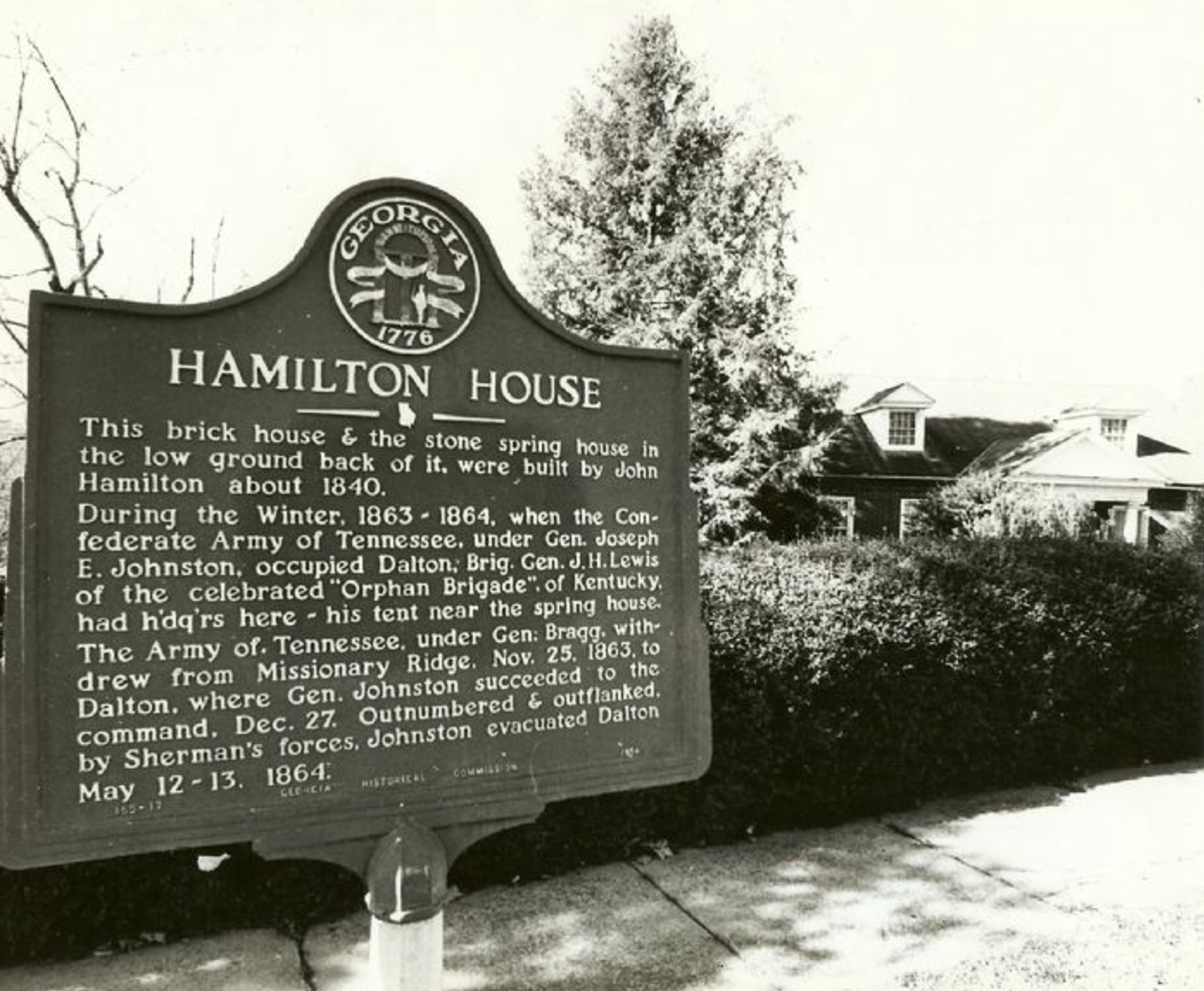
Built in 1840, the Hamilton House is the oldest brick home in Dalton and predates the city. The house was built by John and Rachel Hamilton. John Hamilton was a civil engineer from White Plains, New York. John traveled south to Kingston, Tennessee, where he met his wife, Rachel. They were married in Tennessee on February 13, 1834, and moved to Georgia five years later. Hamilton purchased the land where the house now stands from Absolum Holcomb, who had purchased it during the Cherokee land lottery. The land previously belonged to a Cherokee Indian named Red Bird, who died after he was thrown from his horse while racing on what is now Thornton Avenue. While in Georgia, John worked on the culverts for the railroad that would connect Chattanooga to Atlanta. In addition to his work on the railroad, John ran a large plantation, served as judge of the Inferior Court in the founding of Whitfield County, and was instrumental in the building of Dalton Academy in 1851.
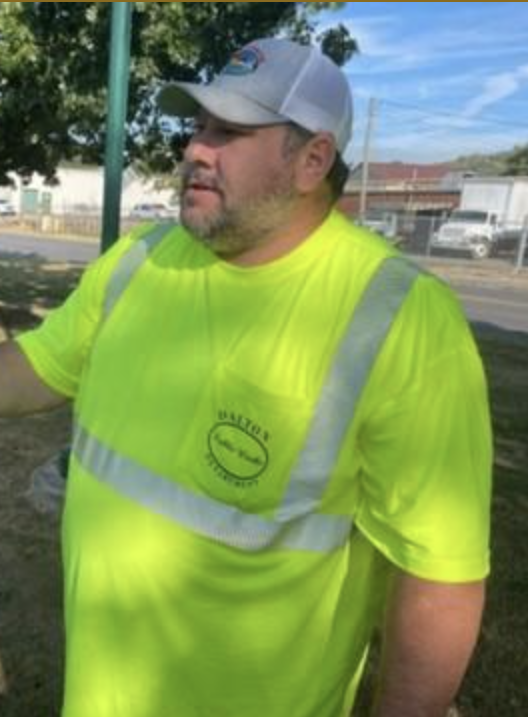
Jerome Key insists that despite the fact he's Dalton's City Arborist, he doesn't have a green thumb. Fortunately for Dalton's Creative Garden Club, you don't really need one if the flowers you're planting are made of metal.
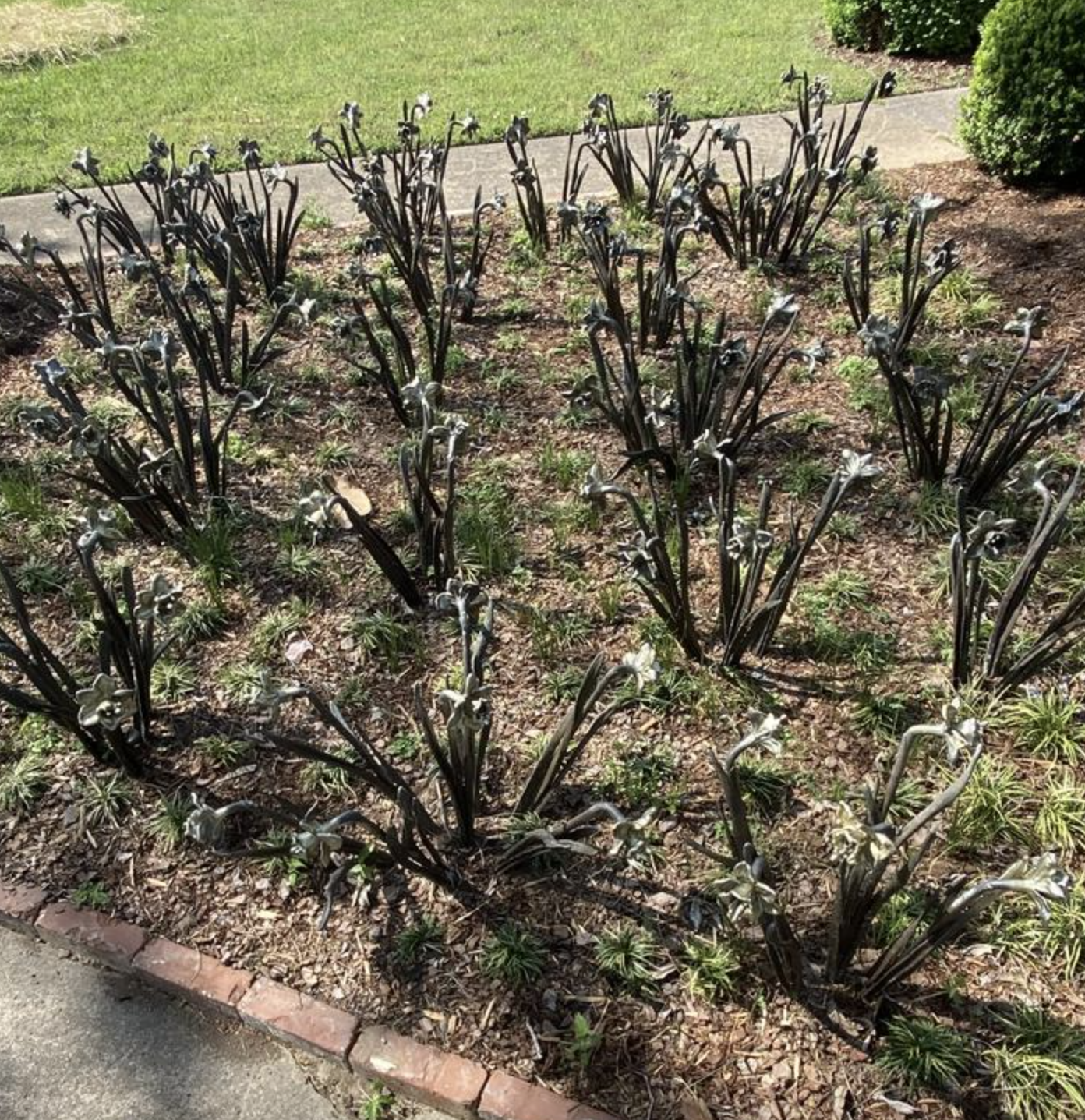
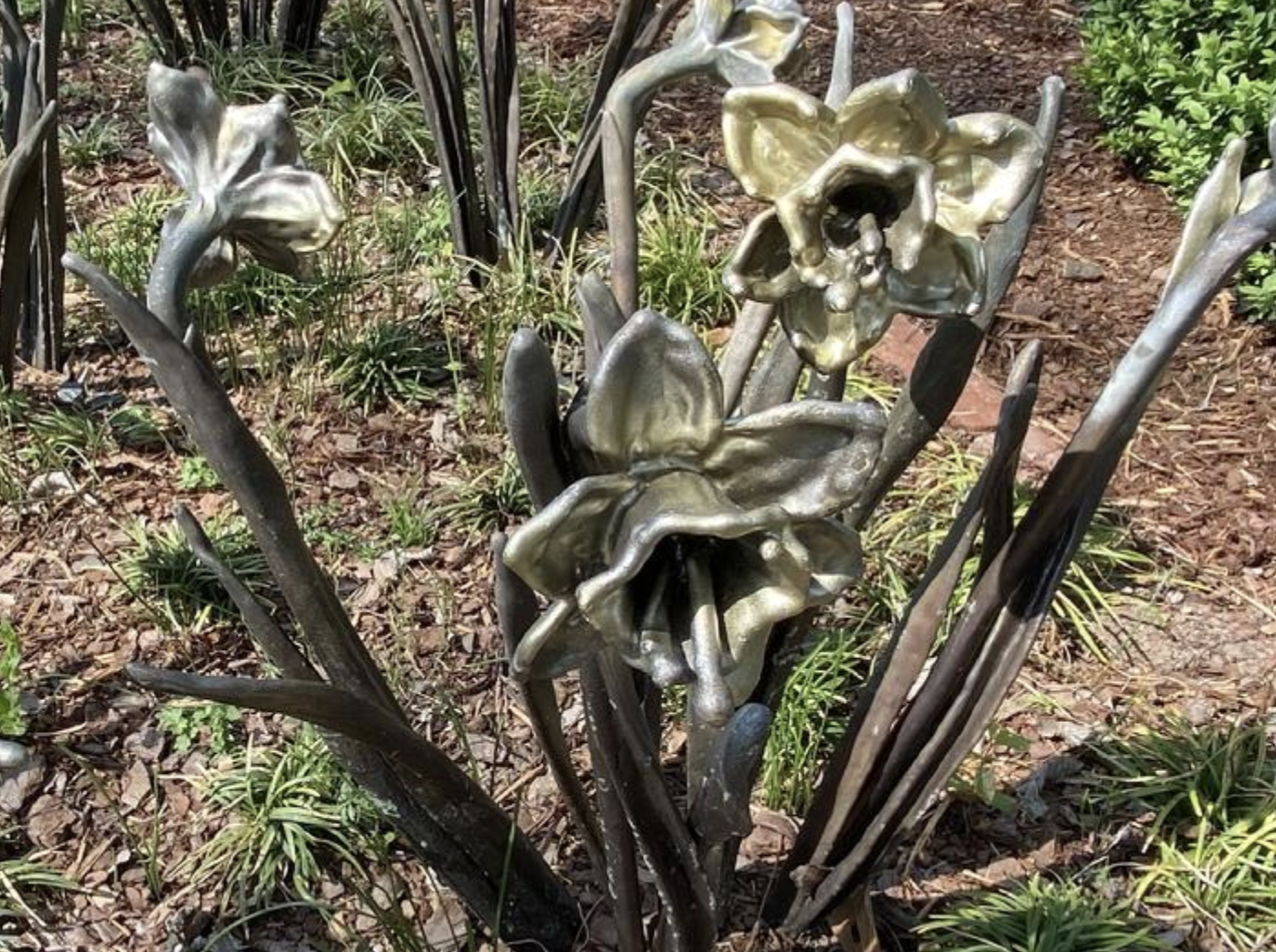
Key worked with the club to create an art installation at the Hamilton House, home of the Whitfield-Murray Historical Society. Bouquets of bronze daffodils have been placed on the grounds.
"These bronze daffodils used to be out at Heritage Point Park, on Loveman Island," Key explained. "I can’t remember what the reason was for their removal. But we kept them stored here for all the years since they were taken up. (The Creative Garden Club) reached out and wanted to utilize them so we came up with this little project."
Caption: Jerome Key holds up a group of bronze daffodils which he welded together for the project
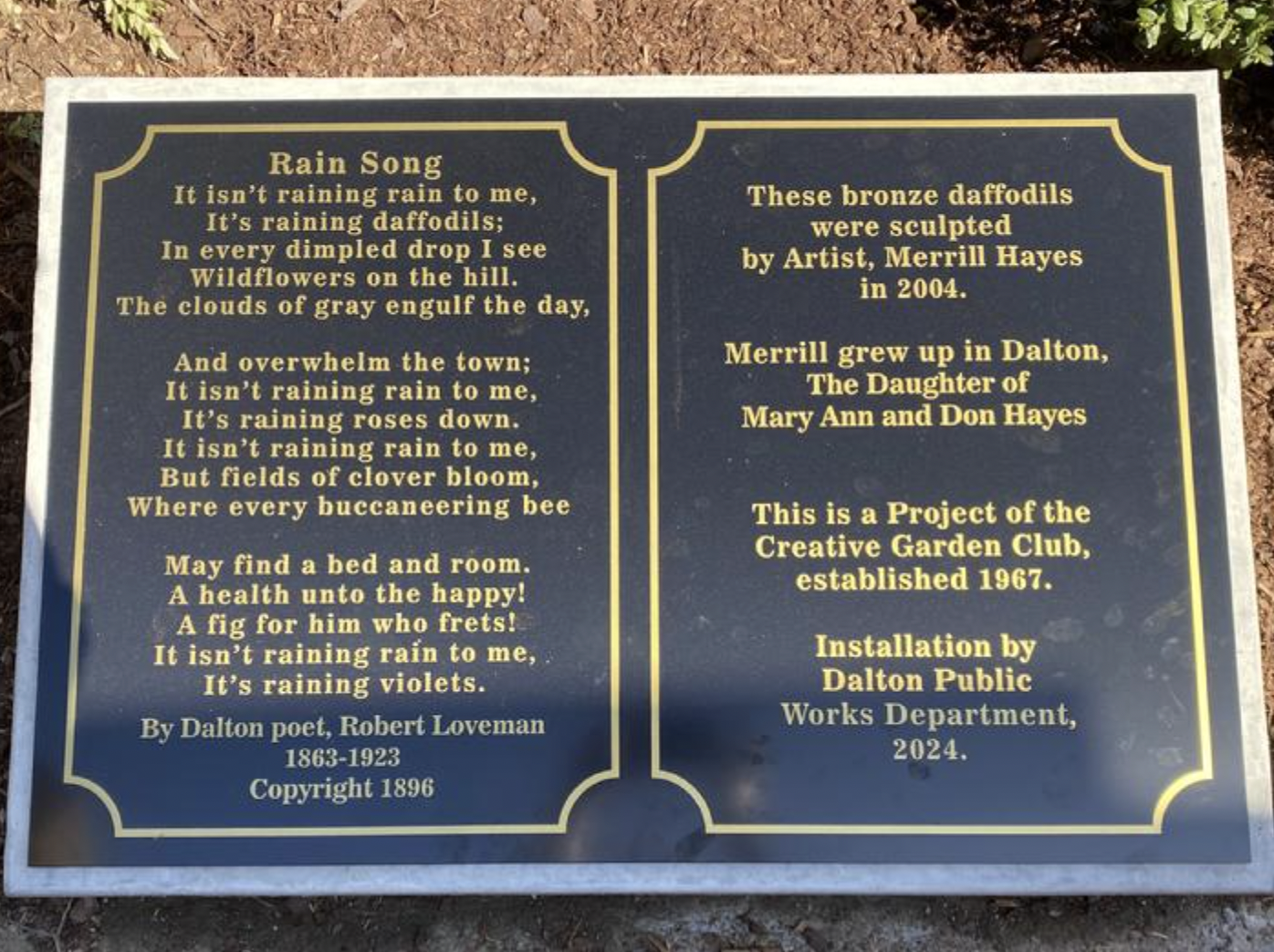
Daffodils are one of the flowers featured in the poem "The Rain Song" (which is also known as "April Rain") by Dalton's Robert Loveman. In the famous poem, Loveman writes of all the different types of flowers which will come from a rain shower that is pouring down around him. Loveman is memorialized with an exhibit in the Hamilton House, and members of the Garden Club wanted to create a small garden on the grounds in his honor.
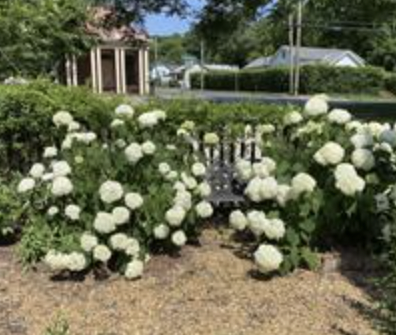
A triangular "flower" bed was created, which has been bordered by brick walls. A plaque displaying Loveman's poem has been added. Sculptor Merrill Hayes, who created the bronze daffodils, has been recognized on the plaque. The bronze daffodils have been installed in groups of 3 to 7, which Key and his team have welded together and placed in the ground with concrete.
Bronze Daffodils
Hamilton House History
Built in 1840, the Hamilton House is the oldest brick home in Dalton and predates the city. The house was built by John and Rachel Hamilton. John Hamilton was a civil engineer from White Plains, New York. John traveled south to Kingston, Tennessee where he met his wife, Rachel. They were married in Tennessee on February 13, 1834, and moved to Georgia five years later. Hamilton purchased the land where the house now stands from Absolum Holcomb who had purchased it during the Cherokee land lottery. The land previously belonged to a Cherokee Indian named Red Bird who died after he was thrown from his horse while racing on what is now Thornton Avenue. While in Georgia, John worked on the culverts for the railroad that would connect Chattanooga to Atlanta. In addition to his work on the railroad, John ran a large plantation, served as judge of the Inferior Court in the founding of Whitfield County, and was instrumental in the building of Dalton Academy in 1851.
The Hamilton House has served many functions throughout the years. During the winter of 1863-64, General Joseph H. Lewis, commander of the Kentucky Orphan Brigade, made camp with his men next to the spring on the property while Rachael was away in Middle Georgia. Rachael passed away in June of 1876. In 1884, the home was sold to Crown Cotton Mill and served as the superintendent’s headquarters. The Frank and Maud Hamilton family- no relations to the original Hamilton's- occupied the home from 1904 until 1983.
The Whitfield-Murray Historical Society purchased the house in 1997 and placed it on the National Register of Historic Places. WMHS converted the house into a museum containing displays related to the textile industry, famous Daltonians, and much more!
The Hamilton House is open for tours by appointment only.